Fresh Food
with
Great Taste
Since we are a small family run guesthouse, we do not have our own restaurant. At the repeated request of our guests, we offer a typical Tanzanian meal that changes every day at dinner.

Since we buy most of the ingredients for the dishes fresh every day, we ask that you let us know by 11 a.m. on the day in question whether and with how many people you will be having dinner. We charge USD 7.00 for each meal
MONDAY

MONDAY
UGALI
Ugali is the Swahili name fora type of stiffen maize flour. If you ask people in Tanzania what their favorite food is you will often get the answer Ugali. In Kenya people are convinced that Ugali makes the famous long-distance runners even faster.
Ugali is THE dish eaten with your fingers. Don’t be shy, try it!
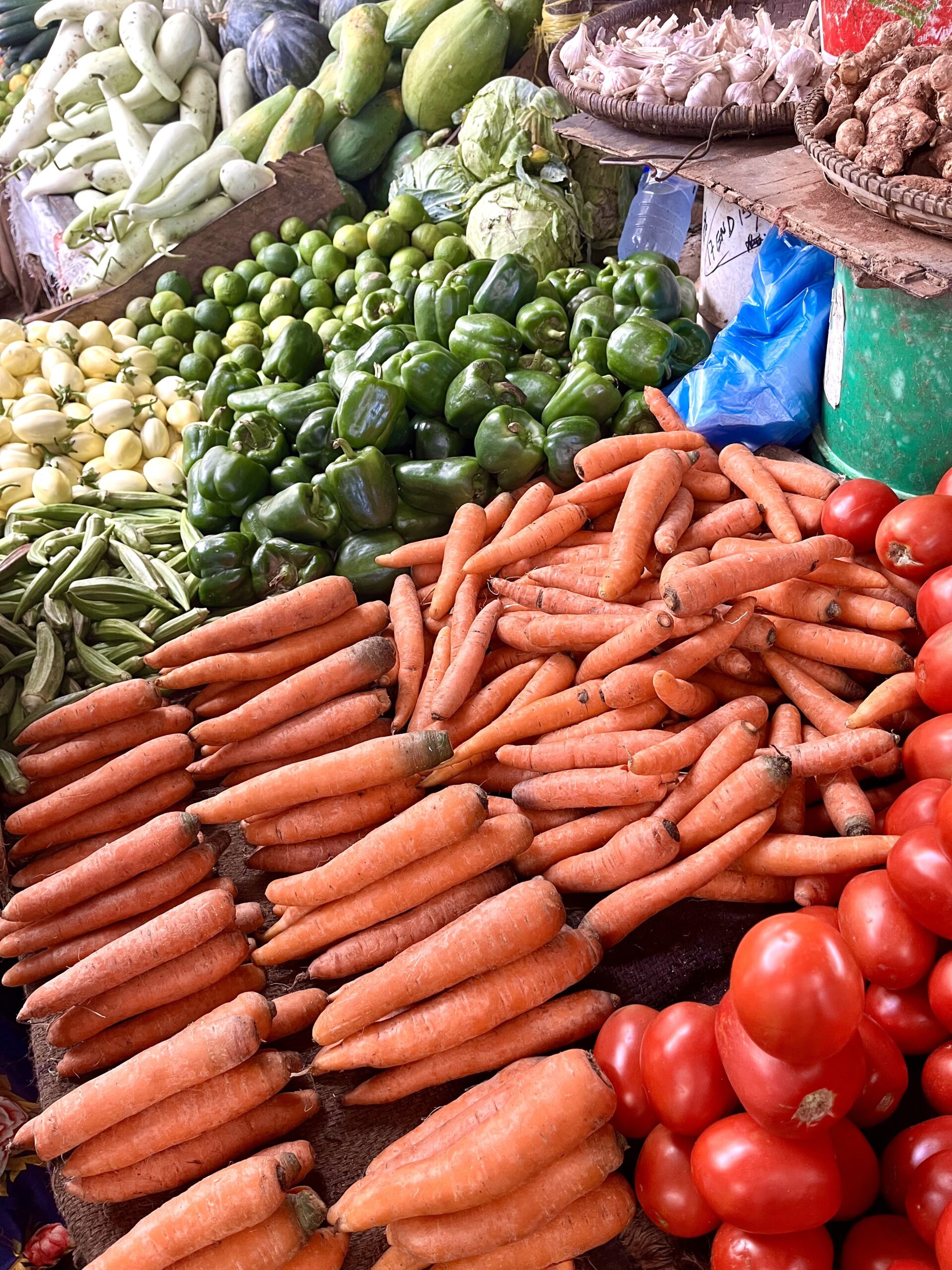
Dagaa are small dried fish, saltwater fish in the coastal regionand freshwater fish near the lakes, cooked in a coconut–sauce with tomatoes, onions, white eggplants, okras, carrots and green pepper.
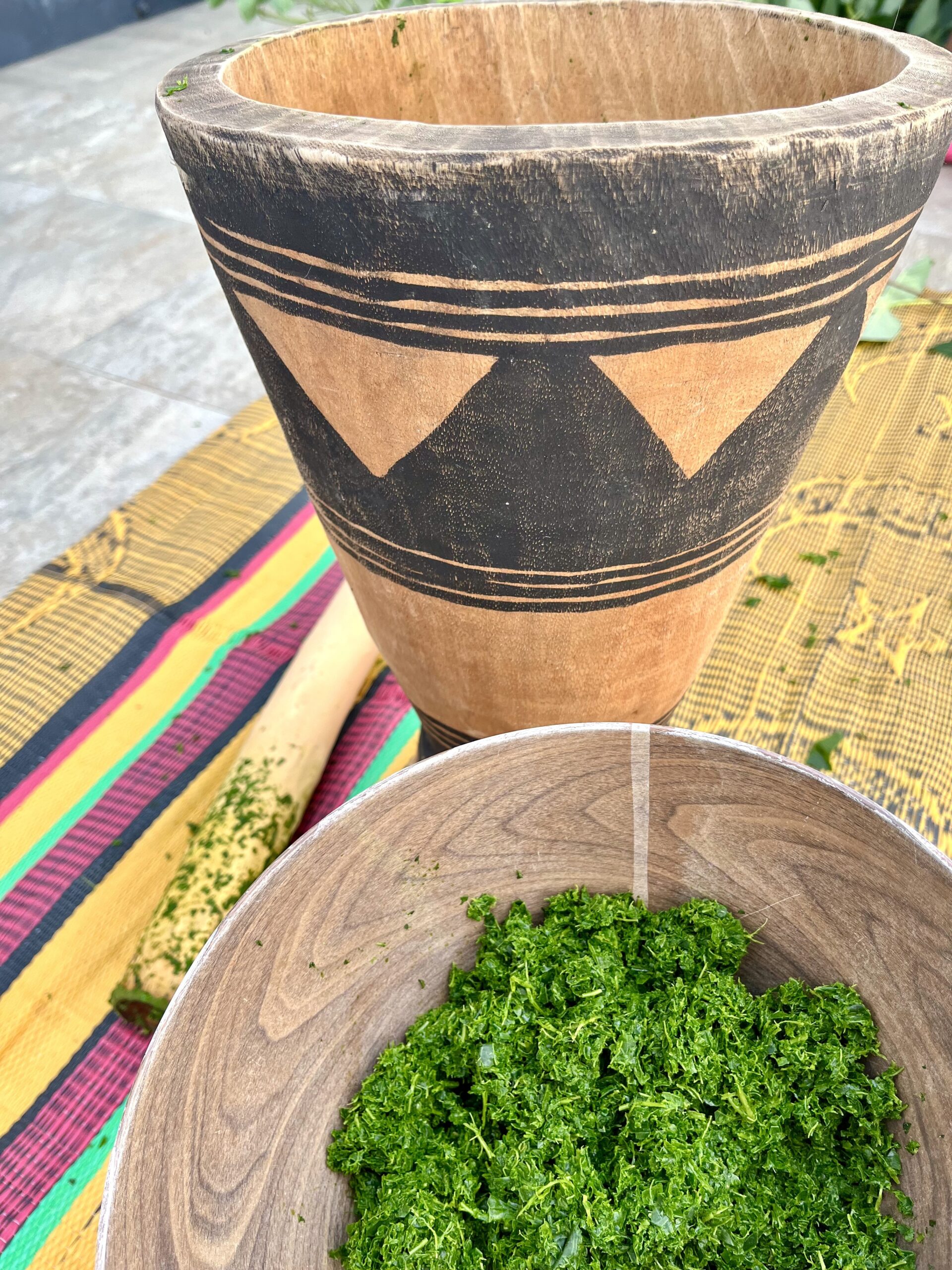
The Kisamvu grows in our own garden and is pounded in a large African mortar.
TUESDAY
GREEN BANANA
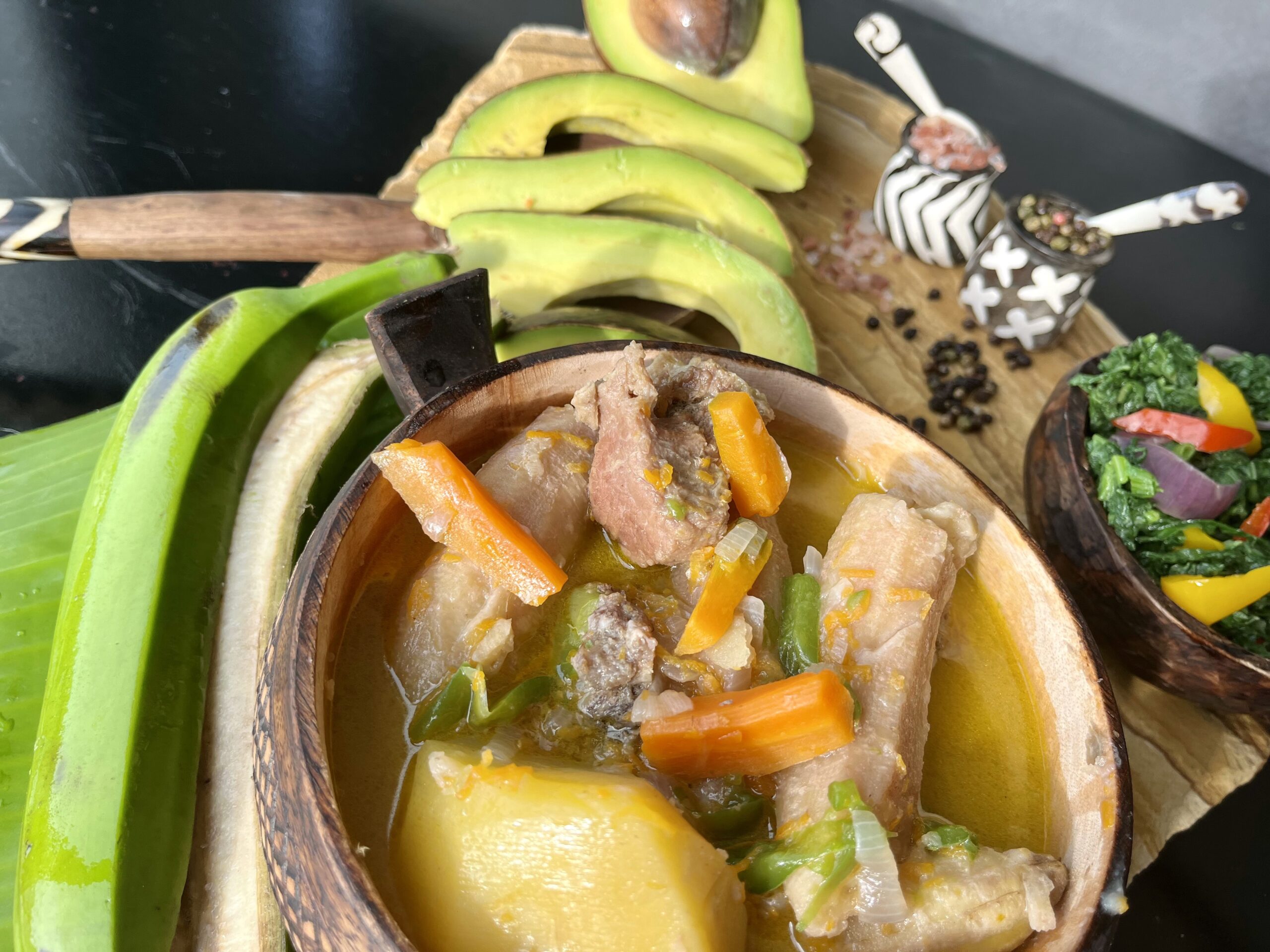
Unripe bananas cooked with beef or chicken
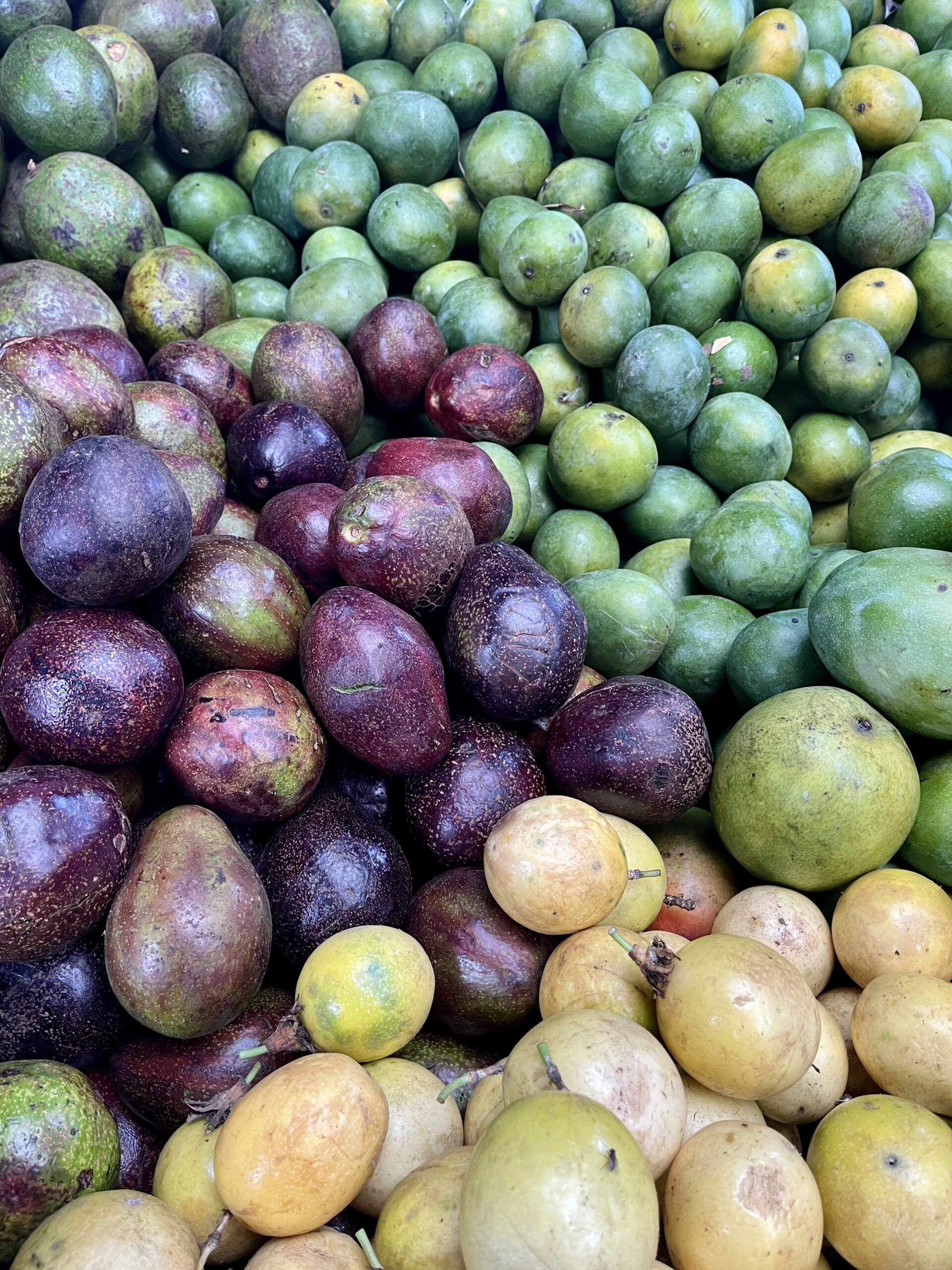
Served with green vegetables and avocado
The Chagga are one of the largest tribes in Tanzania. They come from the region around Mount Kilimanjaro on whose slopes bananas grow excellently. So it’s no wonder that there can’t be a Chagga family celebration without Ndizi (bananas).
The Green Bananas are cooked in its sauce with beef, onions, carrots, green pepper,tomatoes and spices and are served with green vegetables (Kisamvu or pumpkin leaves) and fresh avocado.
TUESDAY

WEDNESDAY

WEDNESDAY
RICE
Served with coconut chicken or coconut fish and green vegetables
Along with Ugali, rice is one of the staple foods in Tanzania. School lunches, for example, almost always consist of either Ugali with beans or rice with beans. And since homland.bro isn’t a school, there’s rice with chicken (Kuku) or fish (Samaki) instead. The cheapest and therefore most widespread supplier of animal protein in Tanzania.
The Kuku or Samaki is cooked in its sauce with coconut, carrots, green pepper, onions, pili pili and spices and it’s served with green vegetables (Kisamvu or pumpkin leaves).
THURSDAY
MAKANDE
The Makandeis cooked in its sauce with coconut, onions, carrots, green pepper and tomatoes.
Kachumbari is made with tomatoes, carrots, onions, pili pili, cabbage, cucumber, coriander, lots of lime juice& love for healthy food.
THURSDAY

FRIDAY

FRIDAY
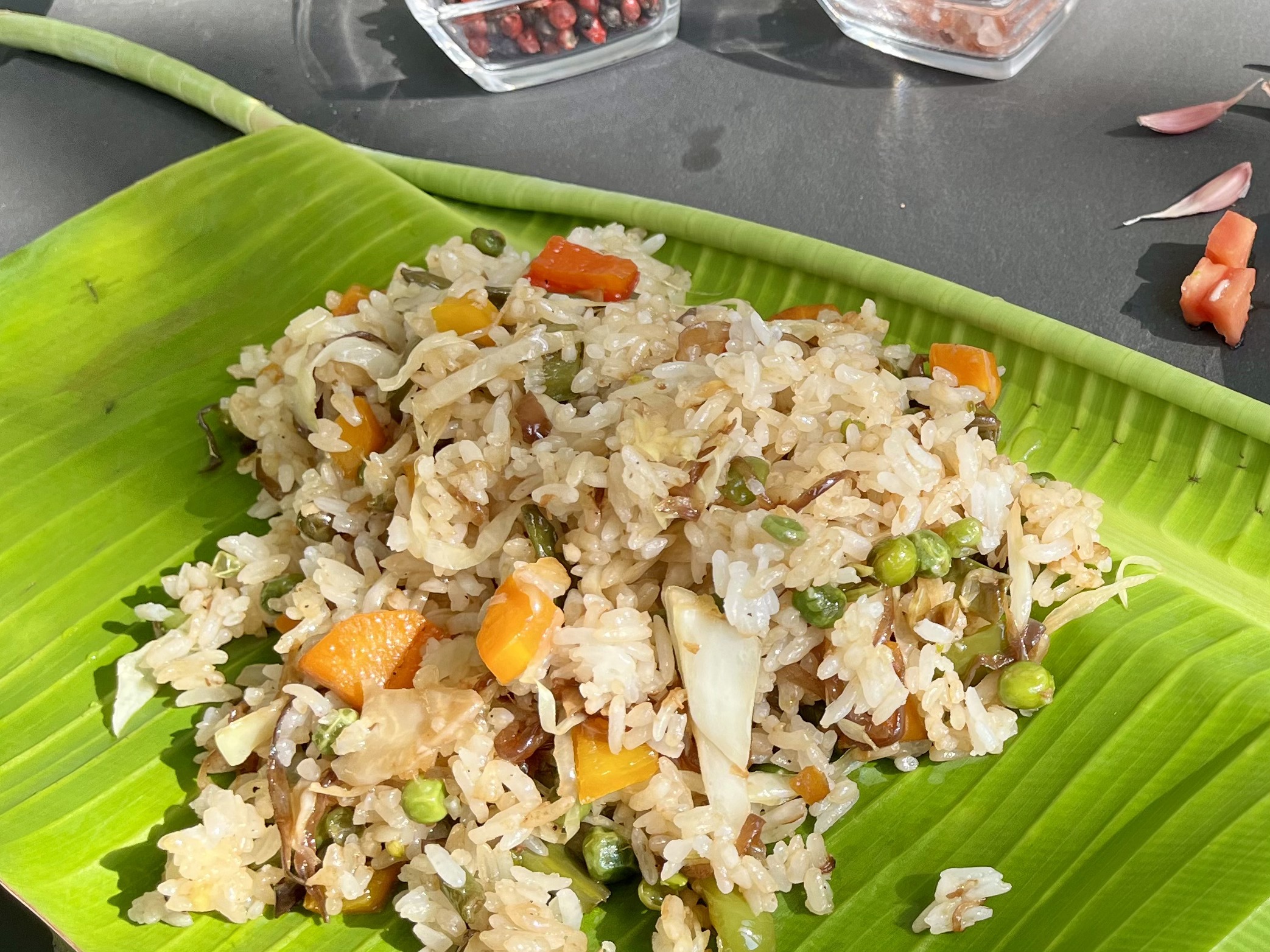
VEGETABLE RICE
Tanzanians are still very poor. And most people aren’t vegetarians because they want to stop climate change or because they don’t think it’s ethical to eat animals. Most people in Tanzania are vegetarians because they simply cannot afford meat. But that certainly doesn’t stop us from wanting to make the most of simple meatless food.
The Vegetable Rice is fried with onions, carrots, peas, peppers and, and, and….
Kachumbari ya Parachichi is made with avocado, onions, tomatoes and cucumber
SATURDAY
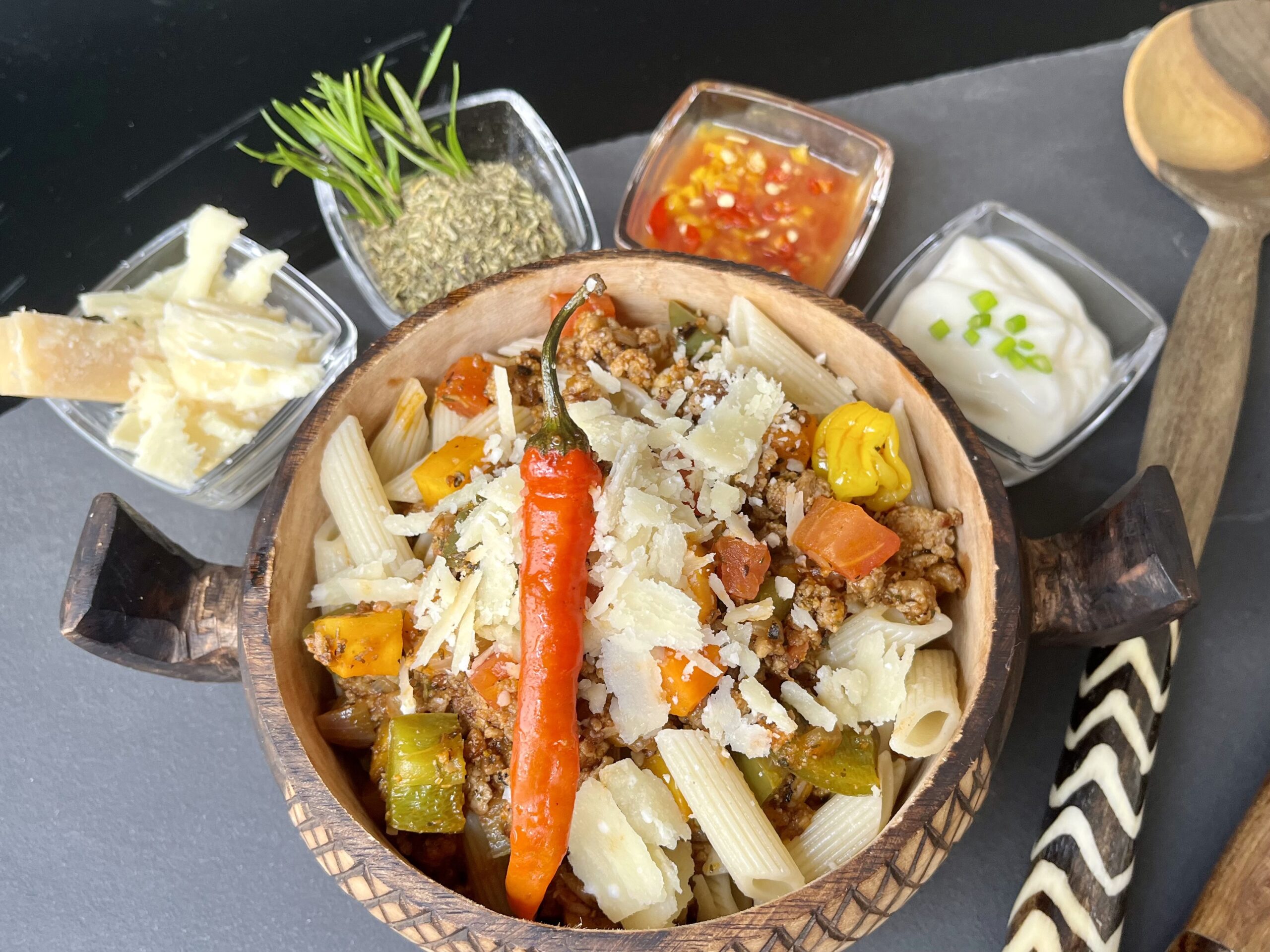
PASTA ALLA ALINDA
Served with mayonnaise and chilly-sauce
Seriously? Pasta can’t possibly be a local food? But what about tomatoes, avocados, corn, beans, potatoes, peppers, chili… all of which are originally from America… Or rice that comes from China and/or India? Let’s welcome this new chapter of cultural history: Bonappetit with Pasta allaAlinda!
The pasta is prepared with Mediterranean herbs, olive oil, onions and garlic. And if you’re lucky, there’s real Parmesan cheese in addition to mayonnaise and chilly-sauce.
SATURDAY

SUNDAY

SUNDAY
PILAU
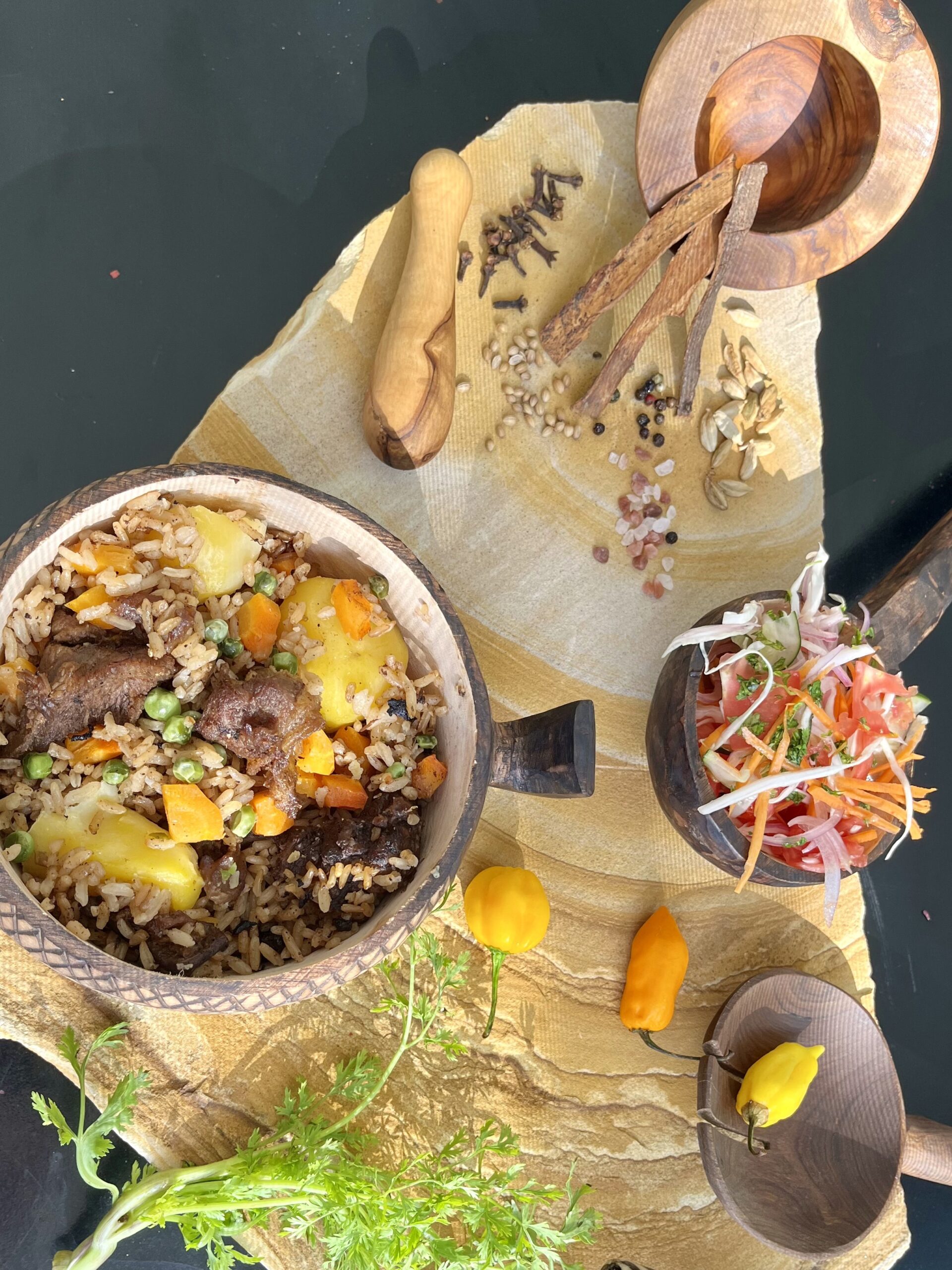
Vegetarianor with beef or chicken, served with a salad (Kachumbari)
We love Pilau. And Kachumbari (Salad).
Pilau is traditionally prepared on special holidays or on Sundays. Whereby the Pilau masala (spice mixture) differs from region to region. And sometimes from family to family. In the past, the masala was always made in-house, but there are now many different ready-made mixtures.
Kachumbari is sometimes prepared as a tomato salad but in Dar es Salaam it is usually made with tomatoes, carrots, onions, pili pili, cabbage, cucumber, coriander and lots of lime juice
SNACKS
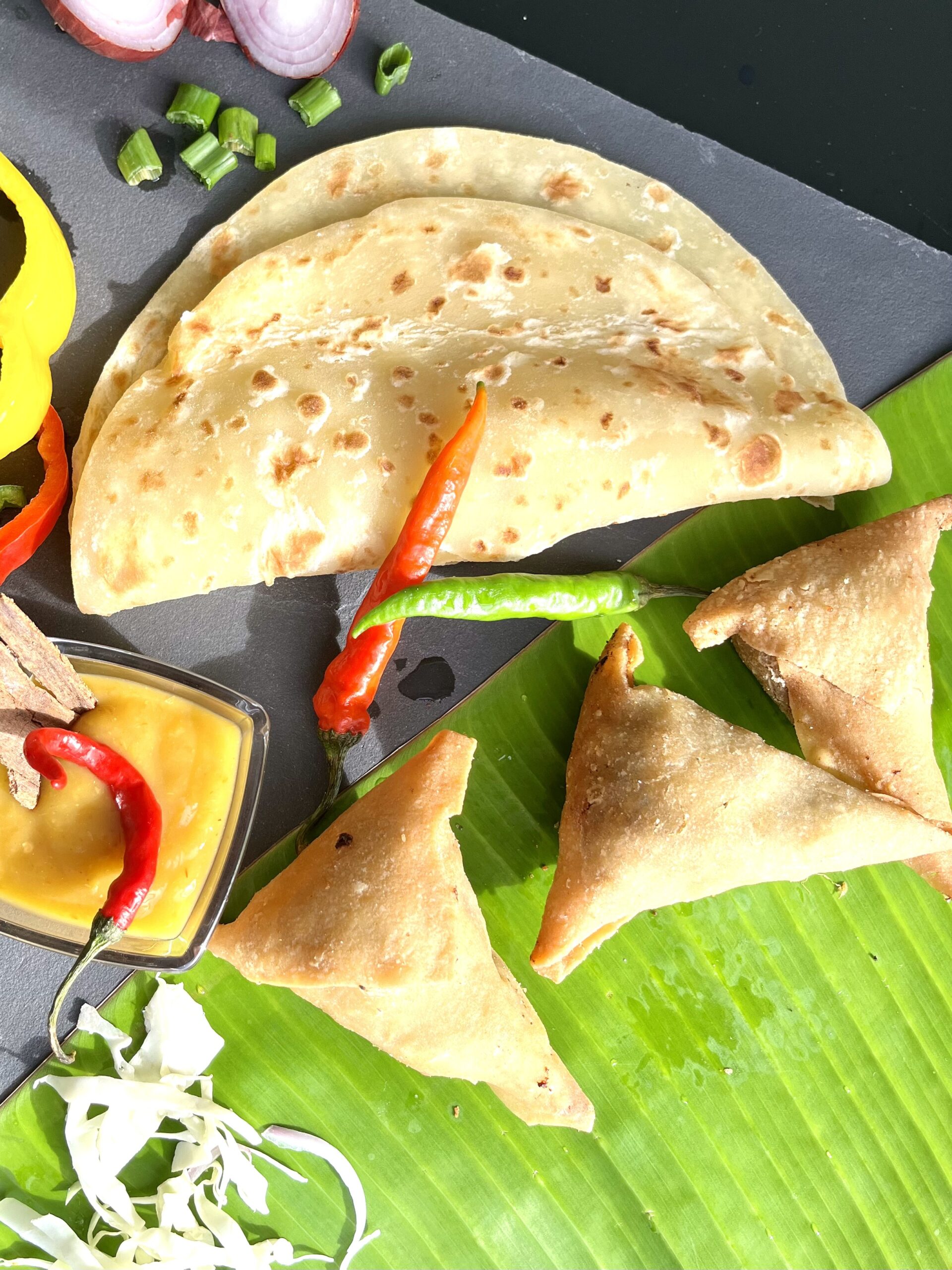
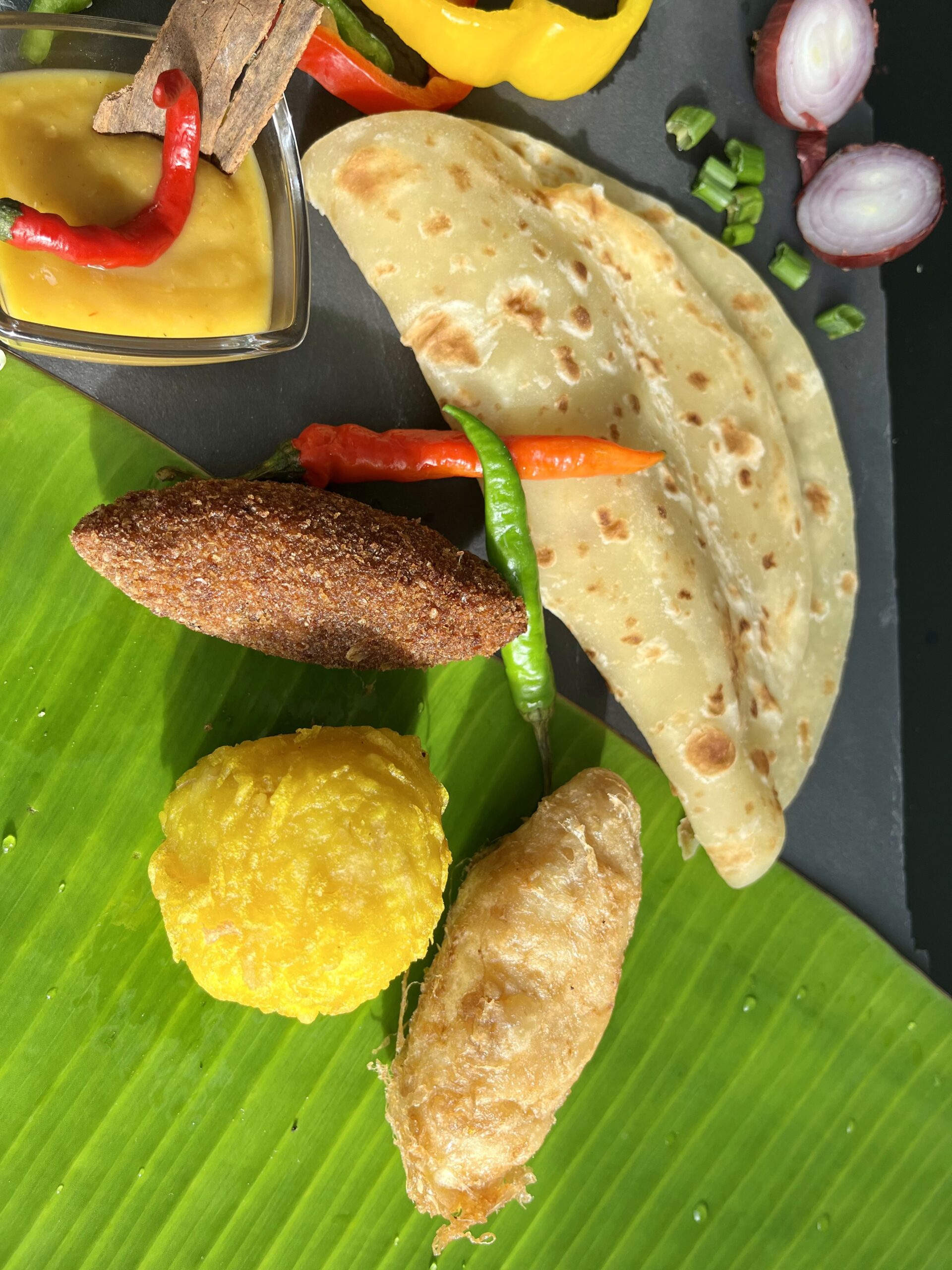
There are Tanzanian specialties straight from the bakery. And we have a trusted bakery in Kigamboni.
They offer Chapati (flatbread), Sambusa (pastry with a savory filling), Kachobi (potato balls, Tanzanian style), Kababuzanyama (Swahili kebab) and, and, and…
All of the snacks originally come from Indian cuisine and have been very popular and widely spread on the Tanzanian coast, which is influenced by Indian cuisine, for decades.
Ask us for directions to the bakery or let us send a driver to bring you those treats.